

Fashion · Runway
Paris, Printemps/Été 2025
Paris Fashion Week: Il y avait dans l’air comme une retenue, un souffle suspendu — non pas en attente du choc, mais d’une émotion plus calme, plus enracinée. La saison SS25 est arrivée comme une promesse de renouveau : la couleur, la silhouette, le savoir-faire. Et parmi les nombreuses voix, la Belgique ne murmurait pas. Elle parlait haut et fort.
There was a sense of restraint in the air, a suspended breath – not in anticipation of shock, but of a calmer, more rooted emotion. The SS25 season arrived like a promise of renewal: color, silhouette, craftsmanship. And among the many voices, Belgium was not whispering. It was speaking loud and clear.
Then came Courrèges, under the direction of Nicolas Di Felice, a label deeply marked this season by Belgian influence. The show evoked an urgent, minimalist futurism: monochromes, architectural cut-outs, controlled transparencies. The staging – a large tilting disc, water, reflections – conveyed the infinite loop between past and future, classic codes and bold reinterpretations. The opening piece, a cocoon coat enclosing the hands within the garment itself, evoked both shelter and exposure.
Beyond these big names, Belgian creativity also expressed itself behind the scenes: the appointment of Meryll Rogge as artistic director of Marni illustrates how Belgian education (Antwerp, Brussels) continues to supply major houses with ideas and leadership.
Amidst all this, Chanel – now under the inspired direction of Matthieu Blazy, who brings a Belgian sensibility and heritage – played its part with mastery. For SS25, through haute couture, Chanel restored its codes: intertwined C's, archival references, tweed, feathers, a femininity made of restraint and brilliance. The show was not about revolution, but about stewardship – enlightened guardianship: preserving what defines elegance, and giving it new life.
Belgium at SS25 was not a detail. It was a framework. The risk, today, is no longer in flamboyance, but in sincerity: drawing on heritage, training, craftsmanship, and personality to redefine contemporary luxury. We saw exaggeration and minimalism, not as opposites, but as a dialogue. And that is where the energy of the moment lies.

Keep reading
More from The Journal

Culture
Ted Lasso Came Back, and So Did We
Culture
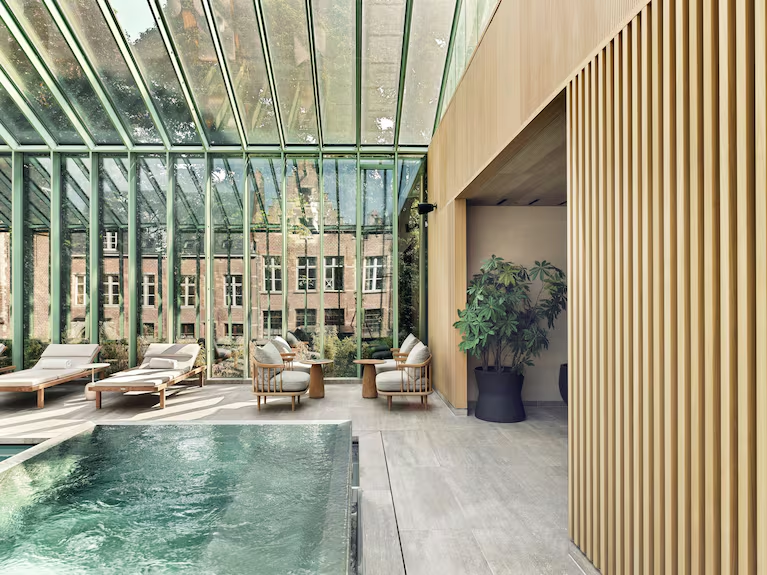
A Weekend at Botanic Sanctuary

Fashion
A Summer in Milan
The Journal
One email a week. Worth opening.
Stories, city notes and the occasional very good recommendation. No daily nonsense.